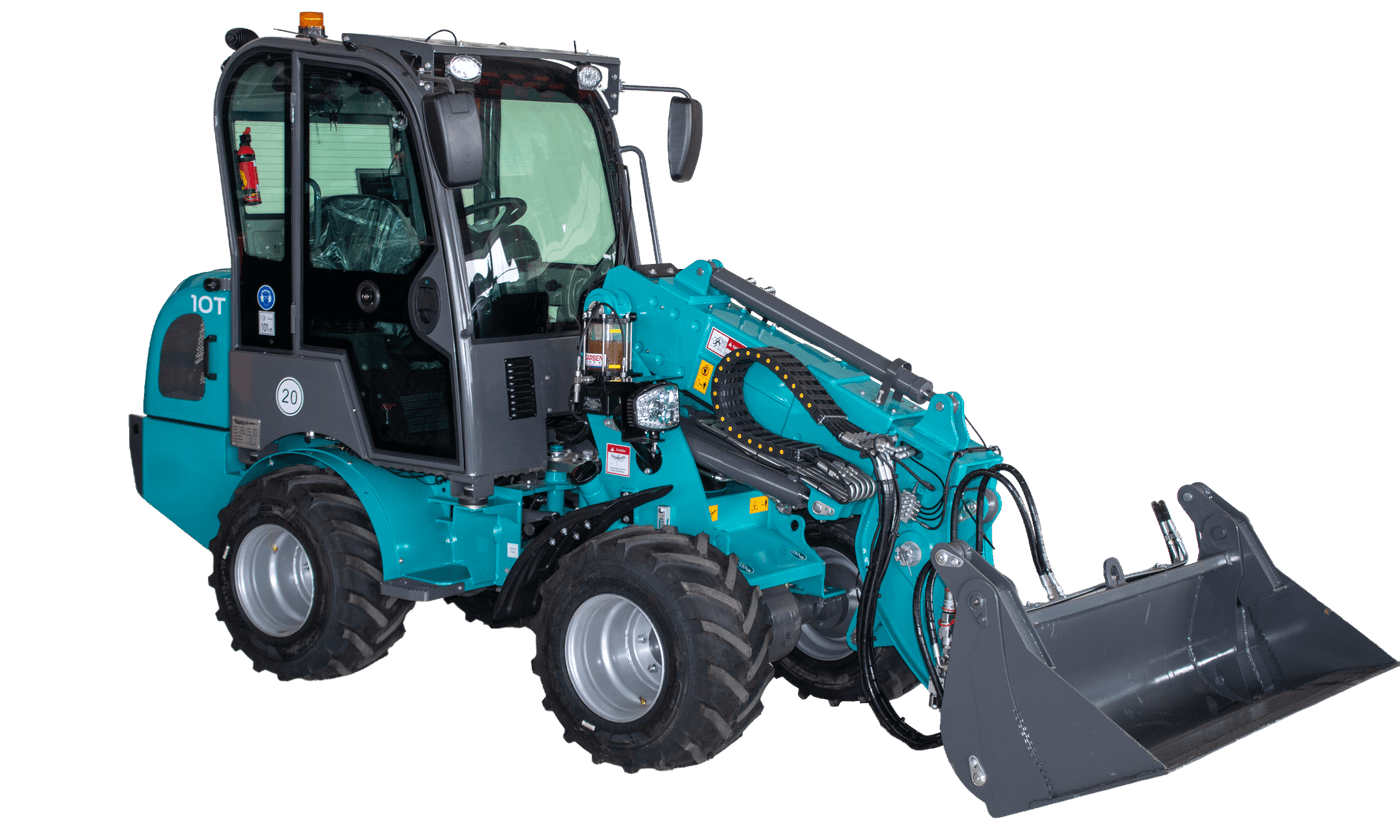
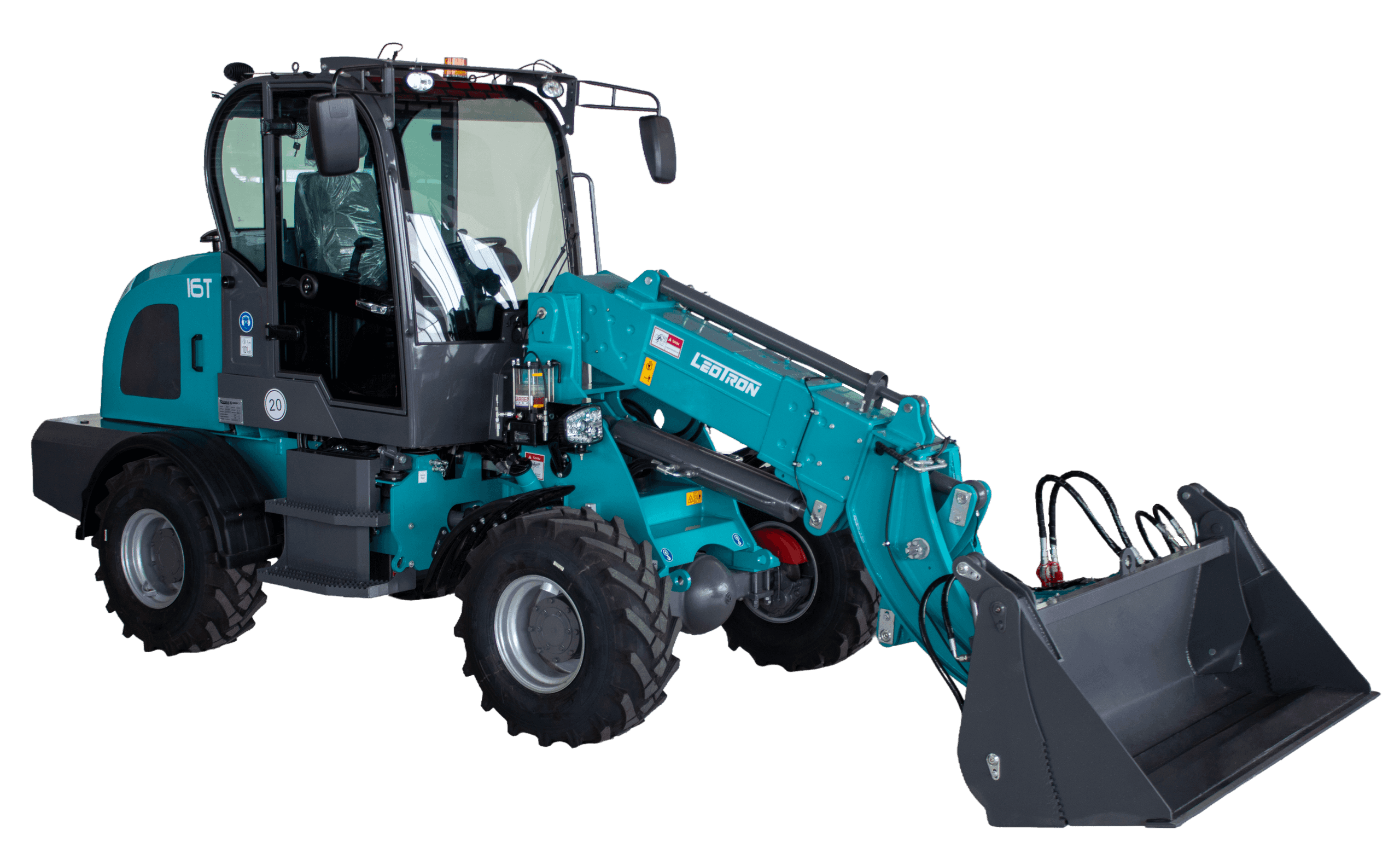
It is difficult to get the full value from a machine if the loader attachment plan is weak. In many operations, the part that actually shapes productivity is not only the machine itself, but the equipment that touches the load. That is why attachment selection should always be based on the real workflow.
When should a grain bucket be preferred?
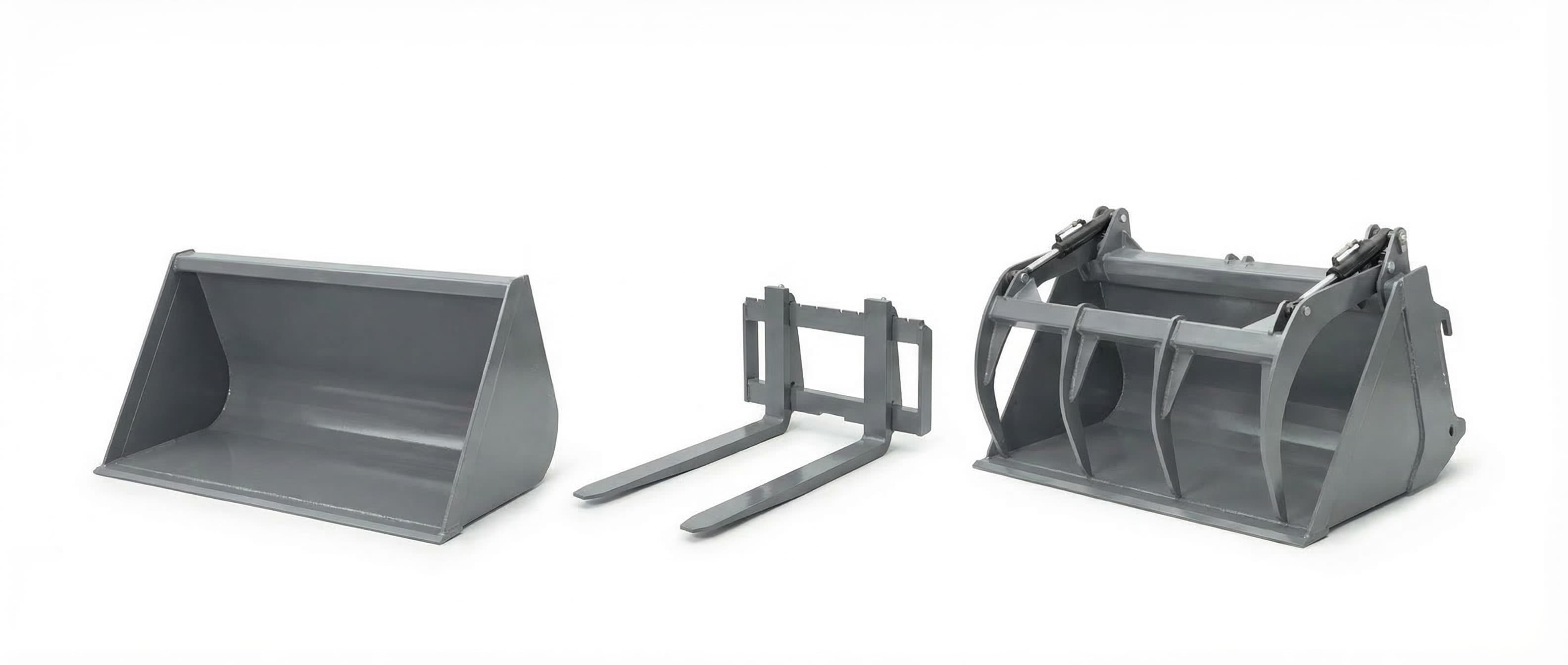
A grain bucket stands out in grain, feed, and light-volume material flow. It is designed for operations where volume matters as much as speed.
What is the advantage of a combo bucket?
A combo bucket is evaluated by users who want one attachment to cover several tasks. It can be practical in flexible site work, but it should still be judged against the main task rather than assumed to be the best option for everything.
Why does a forklift fork matter?
A forklift fork becomes critical whenever palletized material, bagged products, or packaged loads are part of the workflow. If pallet handling is frequent, a fork can be far more productive than a general bucket.
Why are seasonal and special-purpose attachments important?
Some attachments unlock year-round flexibility:
- log grabs for timber-style handling
- beet buckets for crop-specific work
- snow blades for winter yard management
- broom attachments for facility and municipal cleaning
That is how one loader can stay productive across multiple seasons and task types.
Conclusion
Attachment selection should not be treated as an afterthought. Grain buckets, combo buckets, forklift forks, log grabs, beet buckets, snow blades, and broom attachments should be evaluated according to the actual material flow and seasonal job list. The best attachment plan is built alongside the machine decision, not after it.