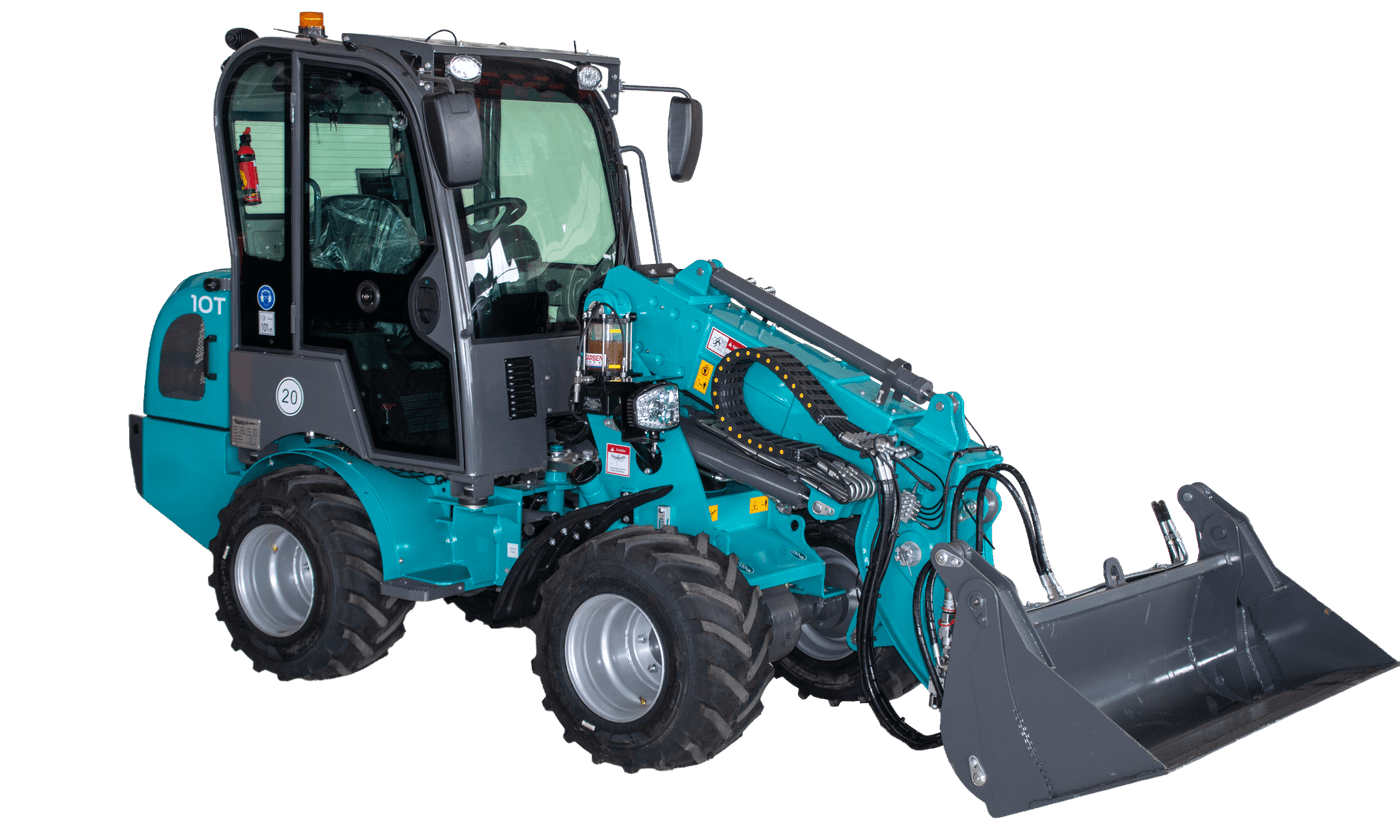
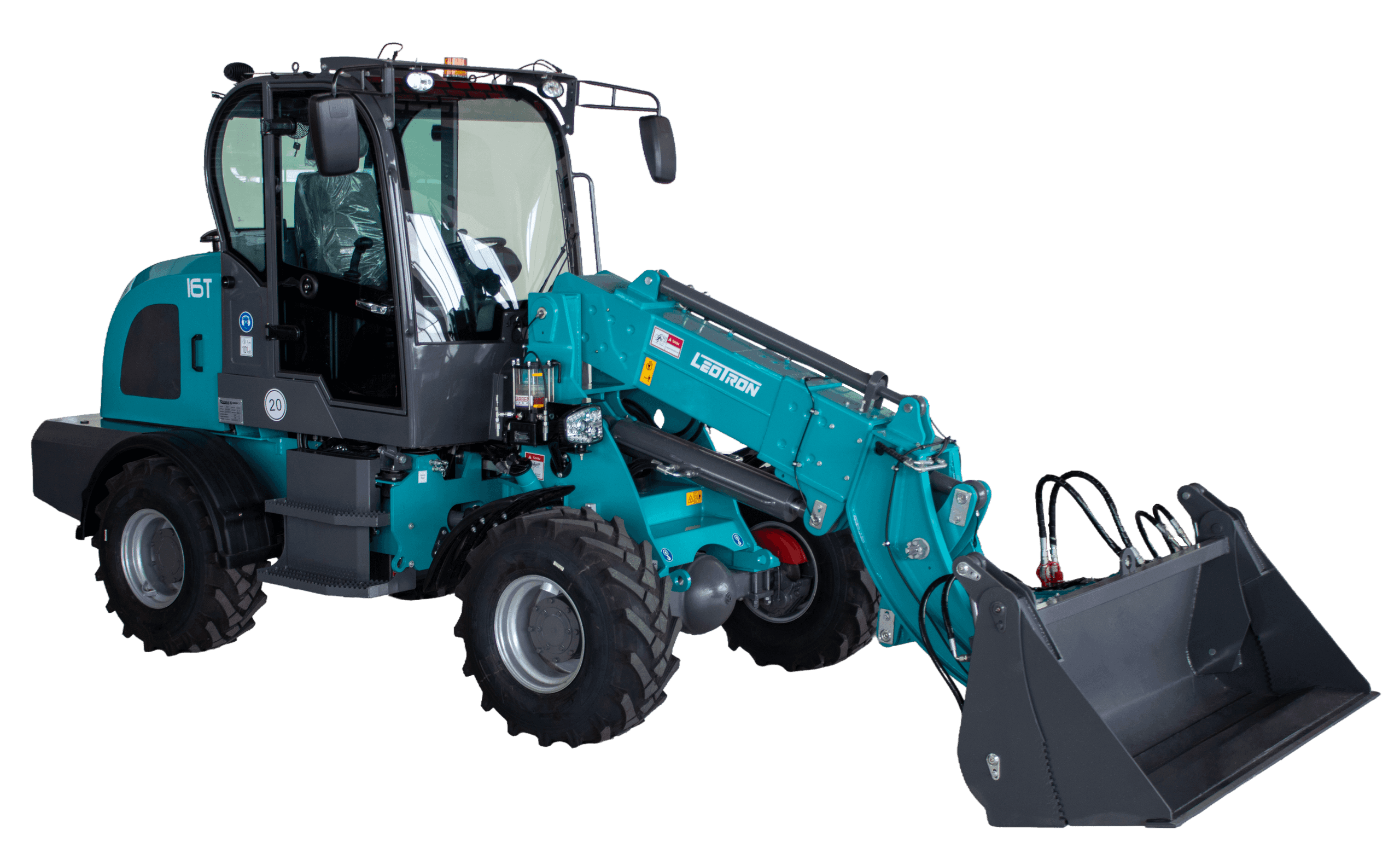
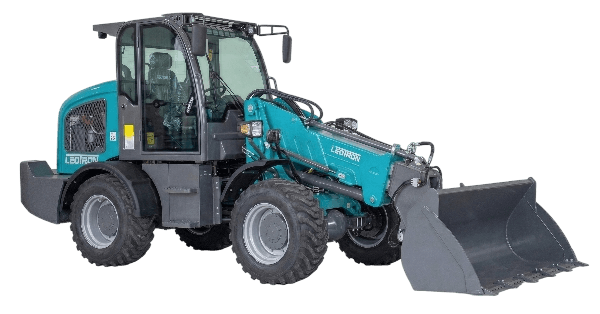
Some of the most commonly confused machine terms in the market are wheel loader, telescopic loader, telehandler, and backhoe loader. These machines can overlap in some jobs, but their structure, reach behavior, and role in the workflow are not the same.
The right machine is determined by the task itself: is the main need loading, reach, stacking, or excavation?
What is a wheel loader best suited for?
A wheel loader is strong in fast cycles, bucket-driven material flow, site carrying, and short-distance repetitive work. It becomes especially effective in:
- feed, silage, manure, and grain loading
- aggregate, sand, and loose-material handling
- stockyard organization
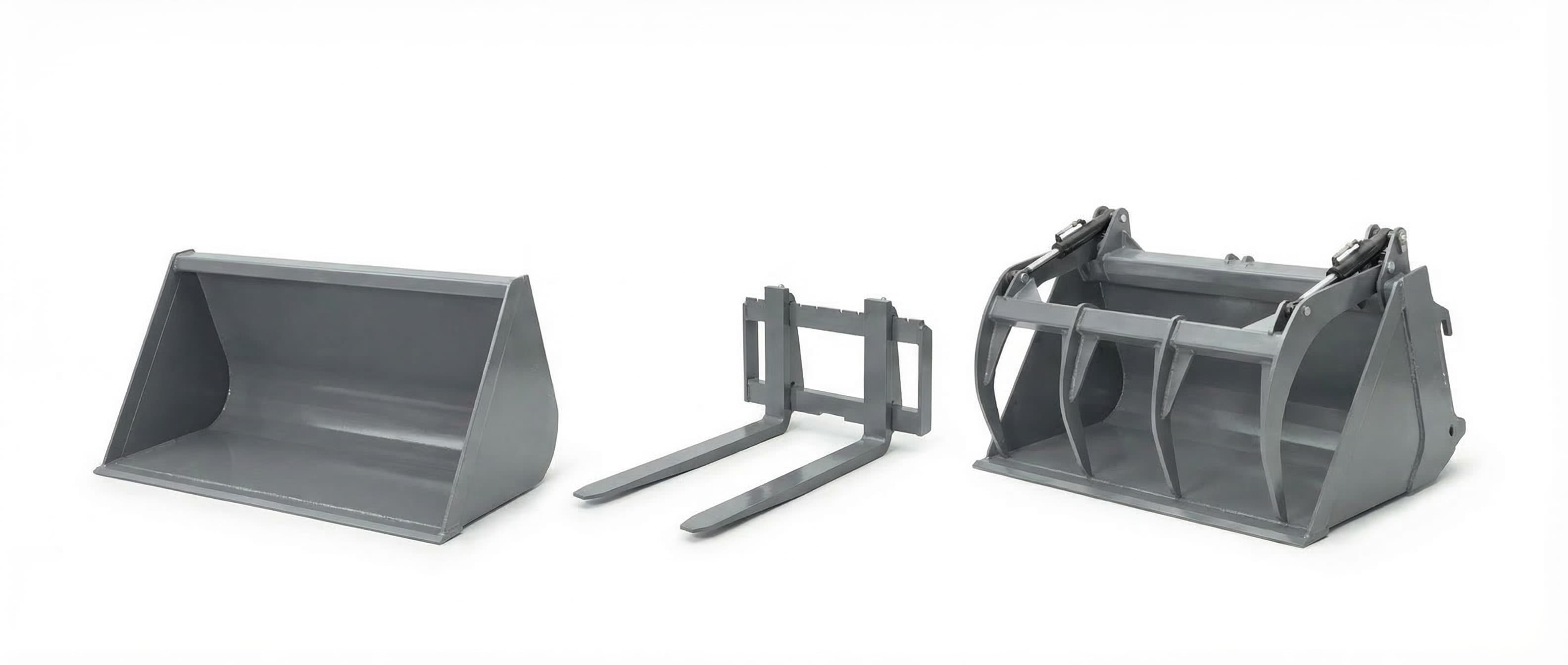
- multi-purpose use with suitable attachments
If daily loading efficiency and maneuverability matter together, this format becomes attractive.
When is a telescopic loader or telehandler the better fit?
The terms telescopic loader and telehandler are often used in a very similar way in the market. Their key advantage is reach height and forward extension. They stand out in work such as:
- high stacking
- truck and trailer loading
- reaching upper levels in depots or yards
- placing heavy loads safely at higher points
If the job is not just about lifting but about reaching farther and higher with control, a telescopic solution deserves closer attention.
Where does a backhoe loader belong in the comparison?
A backhoe loader follows a different logic because it combines a front loading tool with a rear excavating tool. It becomes relevant when excavation and trenching are part of the workflow. Some searches even misspell it as "backoe loader," but the correct term is backhoe loader.
If the real need is excavation, trenching, or rear-tool earthmoving, that is a different category from a loader-focused buying decision.
Conclusion
Wheel loaders, telescopic loaders, telehandlers, and backhoe loaders should not be treated as one interchangeable group. Once you separate loading cycles, reach needs, and excavation requirements, the correct structure becomes much easier to identify. The safest buying approach is to choose by workflow, not by label alone.