

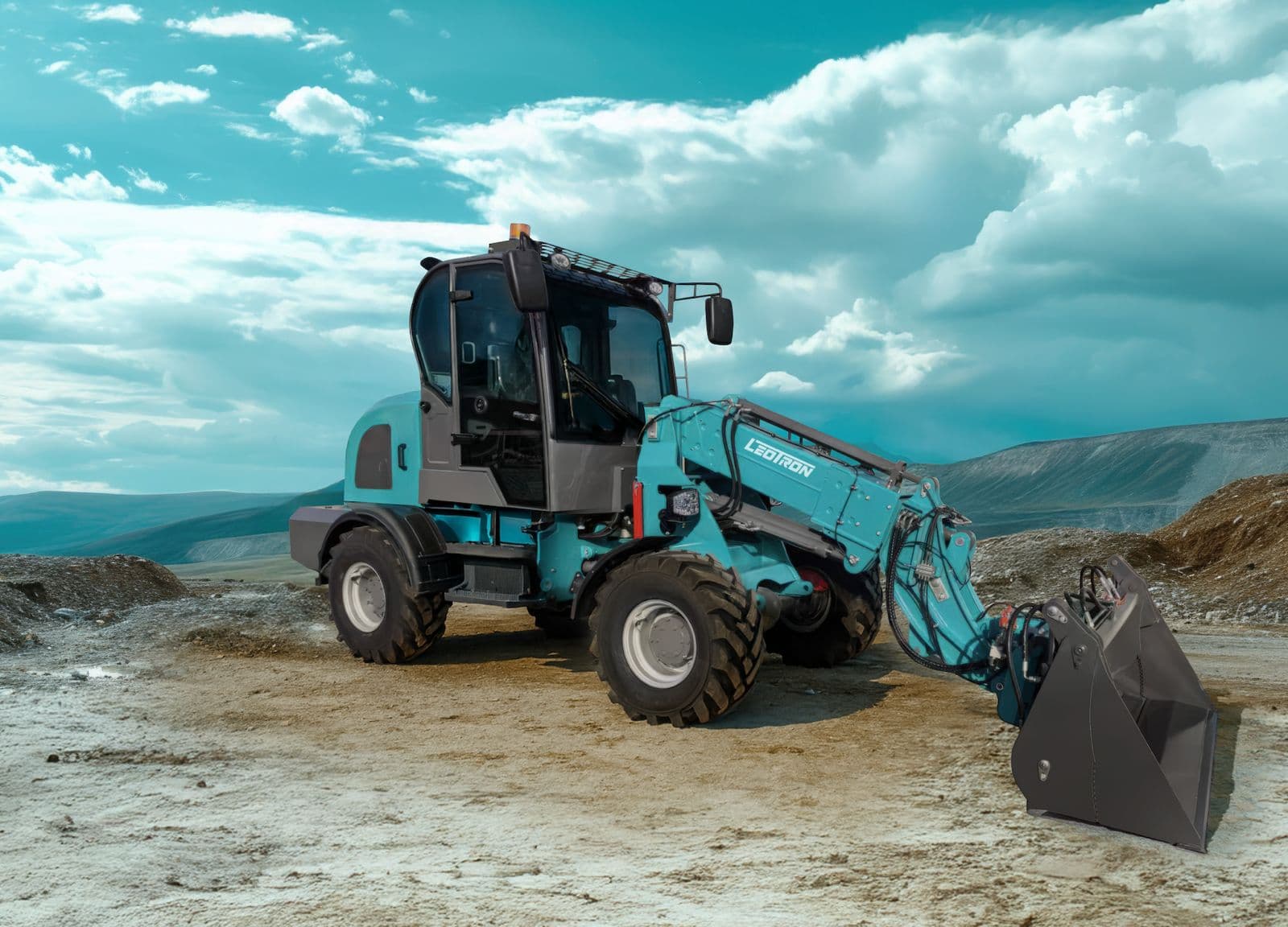
Choosing a loader for a construction site often looks like a decision that can be made quickly. But once real work begins, ground conditions, slope, palletized loads, truck loading height, and cycle pace all shape whether that decision was correct. That is why the question of how to choose a loader for construction work cannot be answered with a single technical table.
The right approach is to evaluate how well the machine matches the actual job on site.
1. Do not decide on capacity before defining the load type
Materials handled on a construction site do not all behave the same way. Aggregate, sand, rubble, palletized bricks, curbs, and packaged materials all create different load centers. That is why relying only on rated capacity can be misleading.
Before deciding, ask these questions:
- What material is handled most often?
- What is the average load weight in kilograms?
- Is the load palletized or loose material?
- How many cycles are completed in a day?
On sites that handle palletized loads, balance and visibility matter a great deal. In loose-material flow, bucket efficiency and cycle speed become more important.
2. Measure dump height and reach requirements
The most commonly overlooked factor in loader selection is dump height. In truck loading, container unloading, or high stockpile scenarios, the machine's reach capability becomes critical.
Check these points:
- truck bed height
- target level for the stockpile or loading point
- safe working margin
- reach behavior under full load
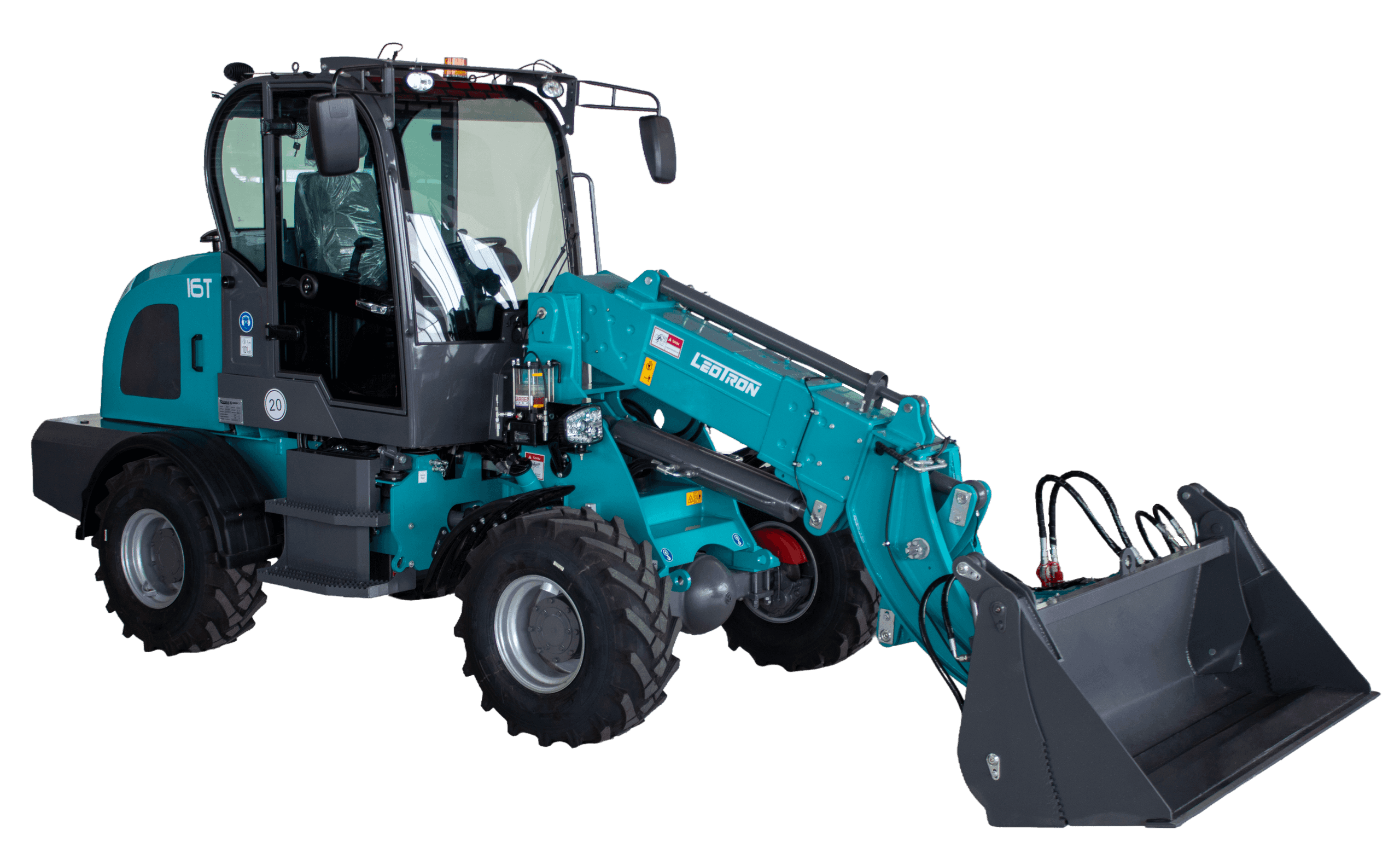
A machine that can lift the load but cannot place it safely at the required point will deliver less productivity than expected. For higher reach and heavy-duty needs, stronger solutions such as M25T come forward.
3. Ground conditions and slope determine real-world performance
Construction-site conditions in Turkey can change even within the same day. Ground that is firm in the morning may become muddy by the afternoon. Some sites include short ramps, loose surfaces, or tight turning areas.
That is why the decision should be based not only on flat-ground technical figures, but also on:
- traction requirements
- controlled work on slopes
- turning space
- operator visibility
- stability under high-cycle use
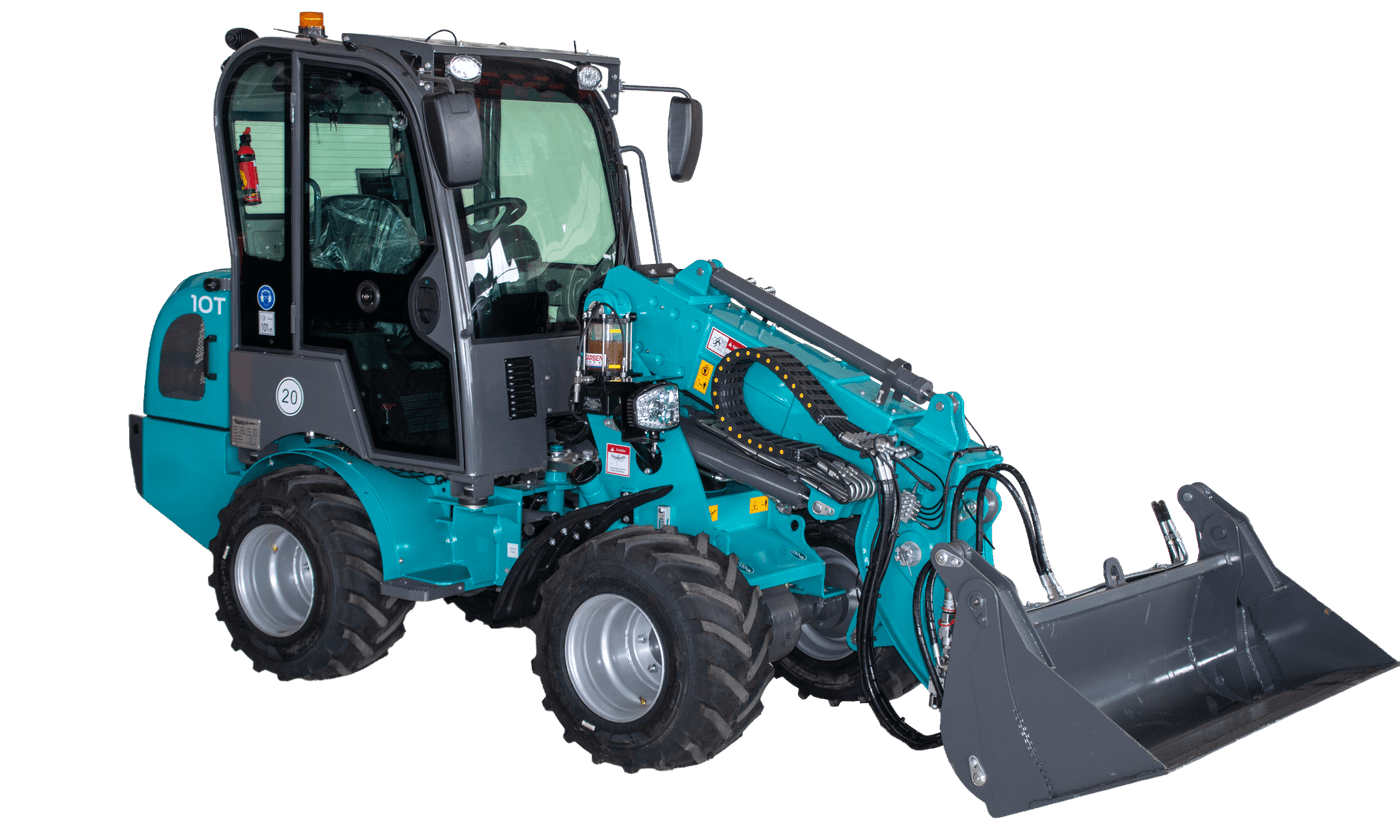
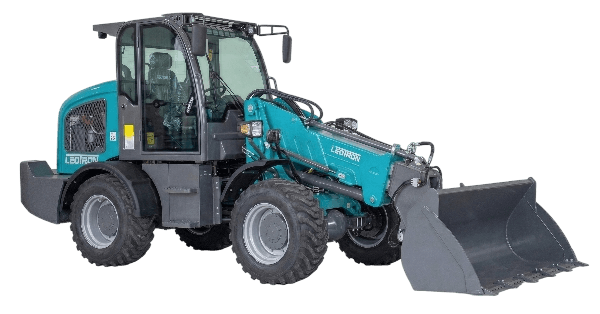
For balanced and versatile construction work, M16T can offer a practical middle ground. In tighter spaces and lighter tasks, a compact platform such as H10T may be the better fit.
4. The purchase is not complete until the attachment plan is defined
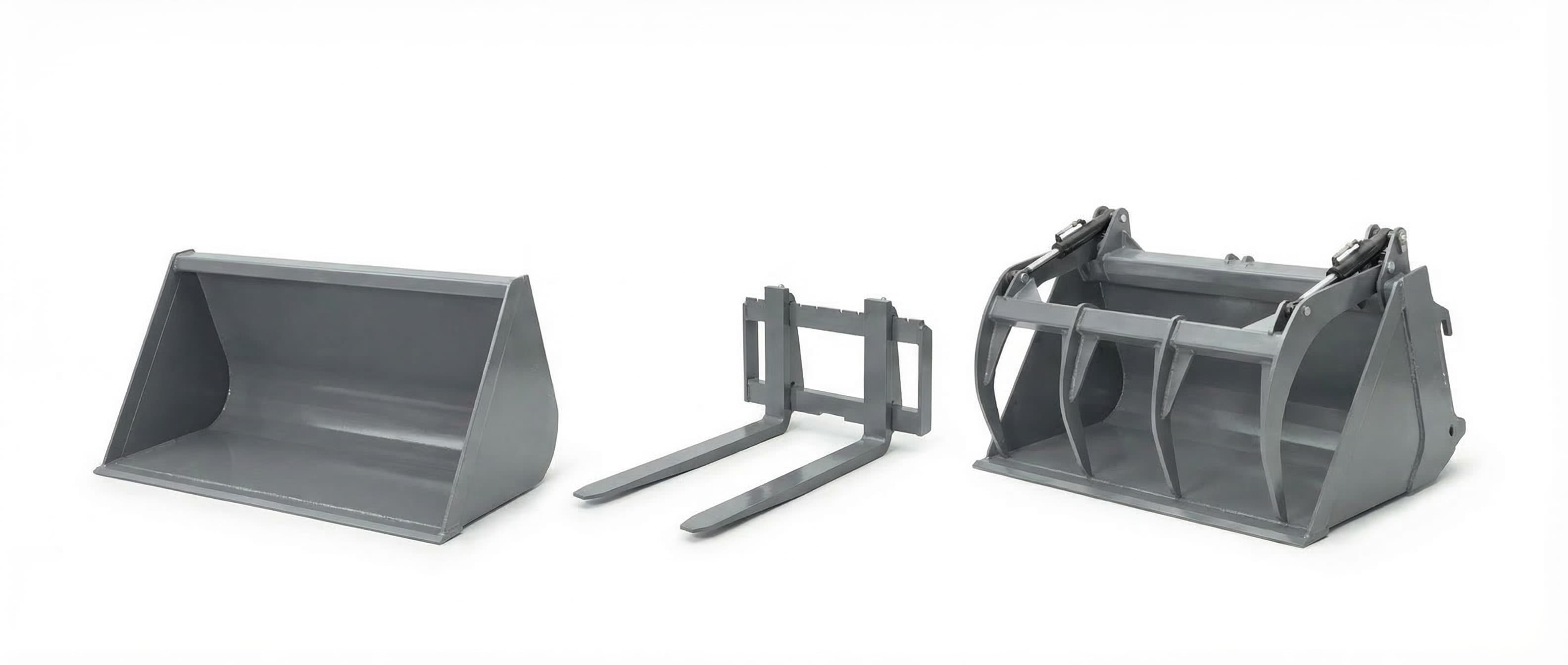
Even when a machine is bought for one main job, duties on construction sites usually expand over time. That is why the basic attachment plan should be considered during the purchase stage.
The most common needs include:
- standard bucket
- material buckets in different capacities
- pallet fork
- 4-in-1 bucket
- cleaning attachments
The machine should be evaluated not only for today's work, but also for likely task changes on site.
5. Operator familiarity and cycle time should not be ignored
The right construction-site loader is not simply the machine with the highest technical rating. The machine that operators can adapt to quickly, see out of clearly, and use comfortably through repetitive cycles often produces better overall efficiency.
On site, these results matter:
- total daily cycle count
- low error margin
- loading and unloading time
- operator confidence
That is why the decision should be based on real working scenarios, not brochure numbers alone.
Which approach suits which type of site?
- For light-duty work, tight areas, and low-to-medium intensity jobs, a compact solution can be sufficient.
- For general construction use, balanced capacity, and versatile tasks, a mid-class platform makes more sense.
- For dense materials, higher dumping points, and intensive-duty work, a stronger telescopic structure is required.
To clarify that difference, compare the product detail pages: H10T, M16T, M25T.
Frequently asked question
What is the most critical figure when choosing a loader for construction work?
There is no single figure. Capacity, reach, ground conditions, and load type must be evaluated together.
Are palletized loads and loose-material handling judged by the same criteria?
No. With palletized loads, visibility, balance, and load center are more decisive. With loose material, bucket volume and cycle speed come forward.
Is higher engine power always the better choice?
No. If the site is tight or the task is light, an oversized machine can reduce agility and slow the operation down.
Conclusion
Choosing a loader for construction work should be based on real site conditions. When load type, dump height, ground conditions, slope, and the attachment plan are evaluated together, the better decision becomes much clearer. The strongest long-term result comes from the choice that improves the daily workflow, not the one that only looks stronger in the short term.
Construction loader decision table
The first model range is easier to define when load type, dump height, and ground conditions are reviewed together.
| Site need | Priority | Best-fit approach |
|---|---|---|
| Tight area and light transport | Maneuverability | Compact loader approach |
| Palletized material | Balance and visibility | Fork-compatible multipurpose loader |
| Truck loading and higher dumping | Reach height | Telescopic loader class |