Many businesses that start by searching for a front loader are actually comparing several different structures at once: a front bucket, a tractor loader setup, a front-loader-equipped tractor, and a dedicated wheel-loader platform. The right decision is not driven by lift numbers alone. It comes from the daily workflow, maneuvering space, attachment needs, and overall cycle pace.
In agriculture, farm operations, and site logistics, the goal is not to buy the biggest machine possible. The goal is to choose the structure that finishes the work with the least loss of time.
A tractor loader and a dedicated front loader are not the same thing
These terms are often used interchangeably in everyday language, but the practical difference is important:
- A tractor-loader setup follows the logic of the tractor platform it is attached to.
- A dedicated front loader or wheel loader can deliver more agility, visibility, and cycle comfort in repetitive daily loading work.
- If pallet handling, feed loading, bale work, manure movement, aggregate handling, or stockyard organization happen all day, a purpose-built loader is usually worth comparing directly.
When does a front-bucket solution make sense?
A front bucket or front-loader search usually points to these jobs:
- daily feed and silage loading
- manure handling
- bale transport and stacking
- palletized materials
- short-distance site loading and unloading
- municipal or facility maintenance work
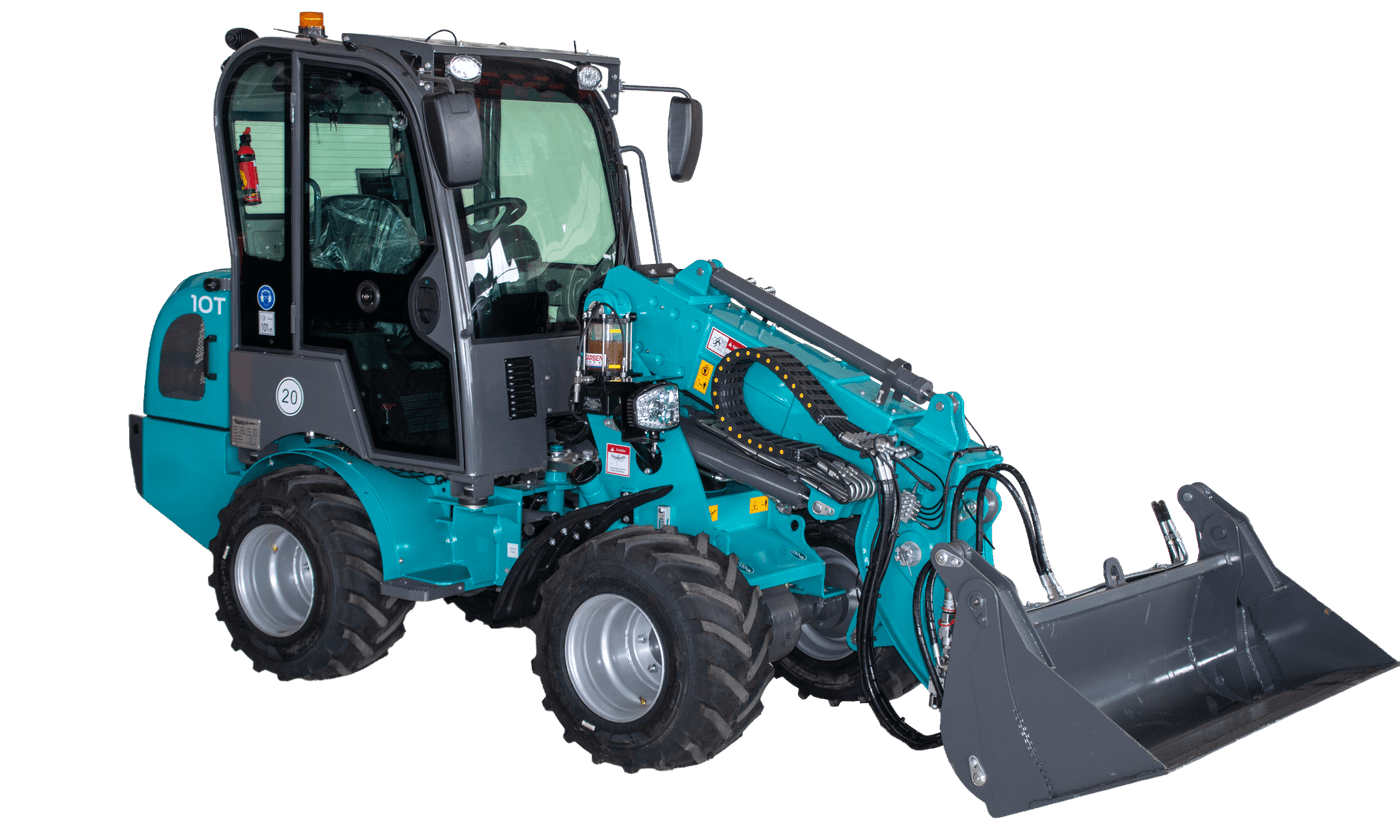
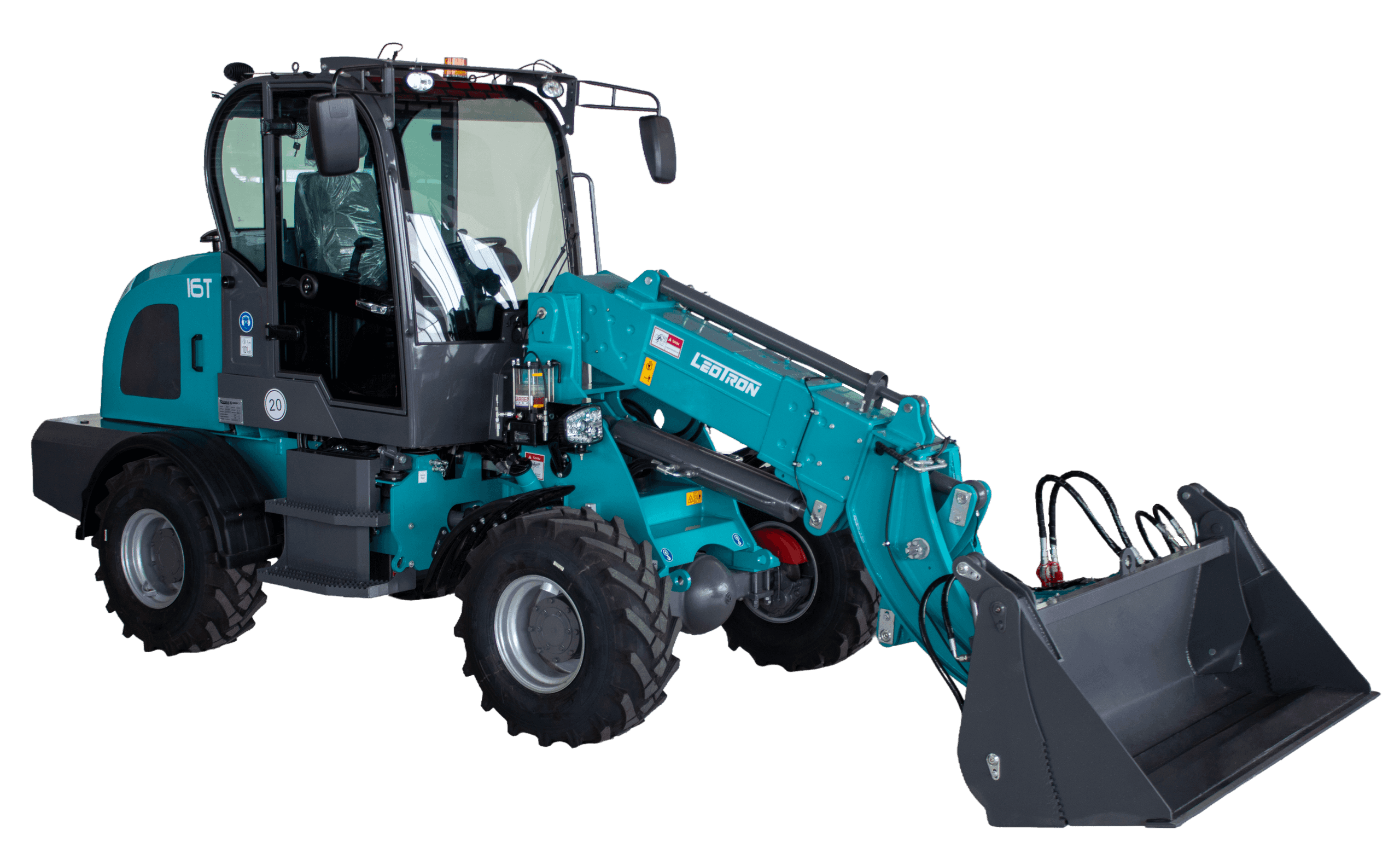
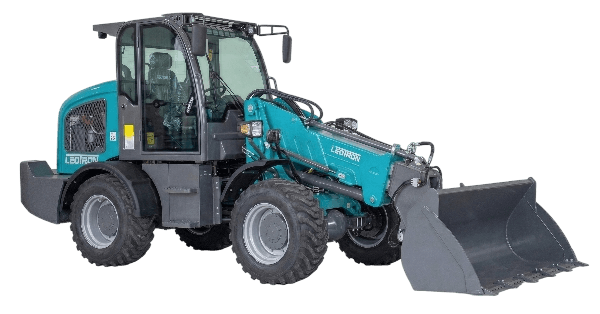
If these jobs are repeated continuously, it becomes reasonable to compare dedicated loader platforms such as H10T, M16T, and M25T.
Tractor loader or independent loader?
The decision becomes clearer when you answer four questions:
- How many loading cycles happen each day?
- Is the work area tight or open?
- Is the main job bucket work or fork-and-attachment work?
- Will multiple operators use the machine?
For short and infrequent cycles, a tractor-based solution may be enough. For repetitive daily loading, an independent loader often delivers a more efficient result because of better cycle speed and visibility.
When does a wheel loader stand out?
A wheel-loader format is especially strong when the operation requires:
- all-day loading and carrying
- frequent forward-reverse maneuvering
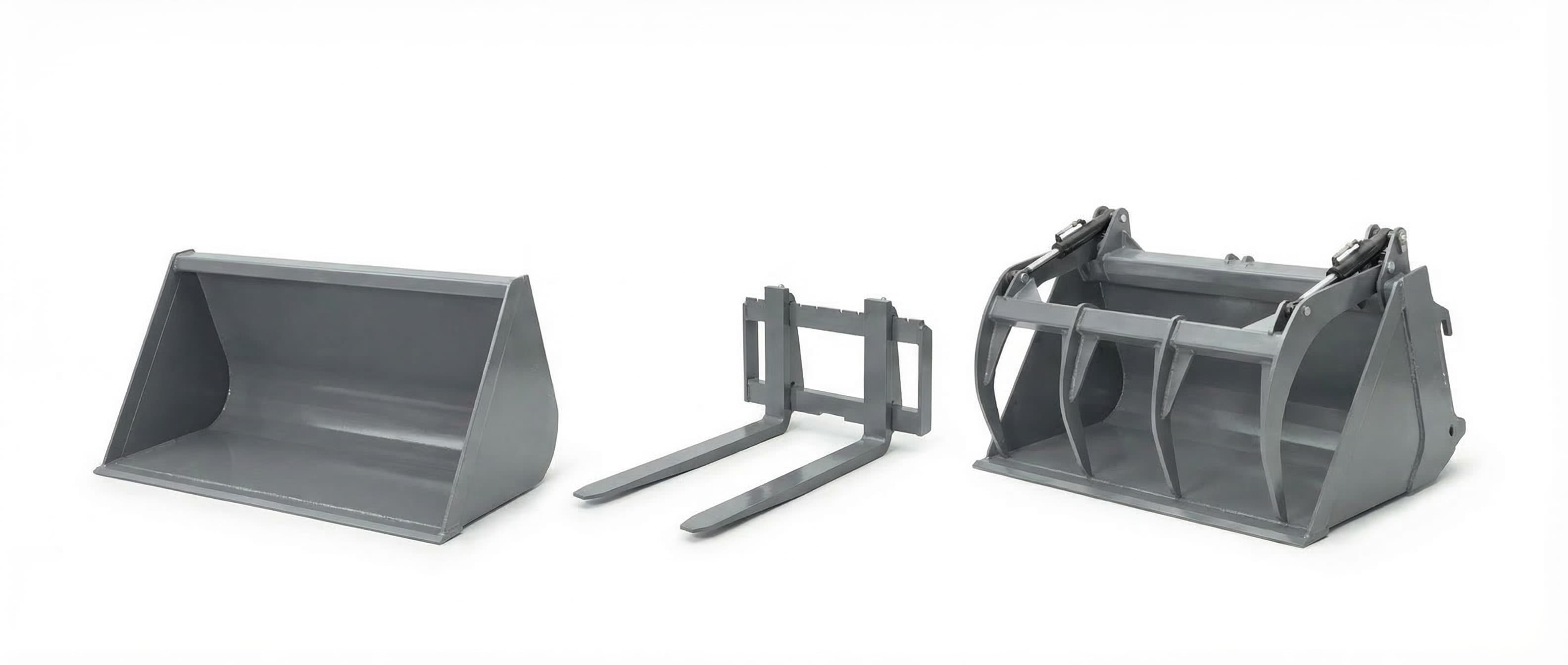
- use of multiple attachments
- strong operator visibility and precise control
- one machine covering farm, depot, municipal, and site work
That is why businesses searching for a front loader should compare not only tractor-mounted front-bucket setups, but also dedicated loader platforms.
Conclusion
Front loaders, front buckets, tractor loaders, and front-loader-equipped tractors should not be evaluated only by name similarity. The correct decision appears when job repetition, maneuvering space, operator comfort, and the attachment plan are assessed together. If loading has become a full-time part of the operation, it usually makes more sense to compare purpose-built loader solutions directly.